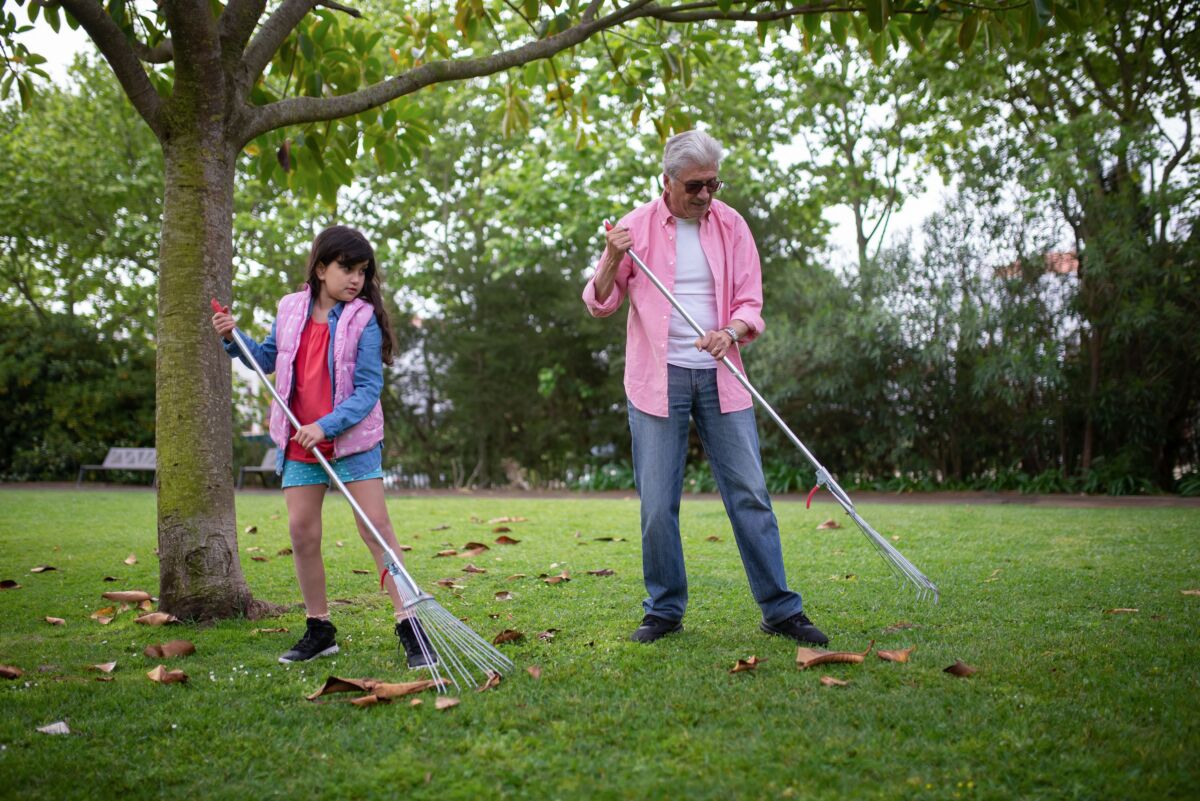
The autumn leaves are starting to fall, and winter is fast approaching. It’s the time of year when many homeowners (and their children) will have to start raking leaves regularly and clearing their yard to prepare for the colder months.
But there’s more that can be done than just clearing away leaves. These tips can help your lawn weather the winter and emerge beautiful and vibrant in time for spring.
Rake and Recycle
A layer of fall leaves may look pretty, but it can prevent the grass on your lawn from being able to properly photosynthesize. Ideally, you should rake leaves when the weather is dry, as it can be a struggle to remove them after it has rained.
Don’t just put all of your leaves in a trash bag and send them to the dump, though — leaves can be composted into carbon-rich soil or used as mulch for your garden. If there are few leaves in your yard, try cutting them into smaller pieces so they can decompose more easily, enriching the yard’s soil.
Prune and Clean Up Your Plants
If you have flowers, bushes or other plants in your yard, the fall is the best time to clean them up. Deadheading flowers — removing faded blooms and seed heads — will redirect the energy that would normally have been used to keep those blooms alive to the flower’s roots, which will improve its future growth. Not all flowers benefit from deadheading, so do your research before beginning.
The fall is also a great opportunity to prune your bushes, as there are fewer leaves and their branches are more visible. It’s important to wait until a bush’s leaves have fallen before pruning, as pruning too early can lead to fragile growth that can be easily damaged by winter weather.
Fertilize and Mulch
Dry, cold winter weather can negatively affect soil health and put the roots of your plants at risk of damage. Laying down mulch can prevent plants from freezing and prevent unwanted growth, while fertilizer can strengthen your plants’ roots. Hot summer weather can weaken a plant’s root system as much as winter weather can, which makes autumn a great time to re-apply mulch and fertilizer to your yard and garden.
Remove Weeds
While weeds grow the most in the spring and summer, some weeds continue to grow when the temperatures are cooler. Perennial weeds like dandelions and white clover can even continue growing and spreading their roots during the colder months, and can be a hassle to deal with come spring. Most homeowners will not have to weed as often in the fall and winter as they would during the summer, but getting rid of any weeds you see can save you trouble later in the year.
Yard Care for Kids
Kids can help out with getting your yard ready for the winter, too! Having them help out in the yard or garden is a great way to teach them about nature. Get started with these fun and age-appropriate activities:
- Pull weeds
- Water the plants (they need water in the fall, too!)
- Deadhead flowers
- Collect leaves
- Make compost
- Harvest the last of any fruits or vegetables
- Mow lawn (recommended for ages 12 and older only)