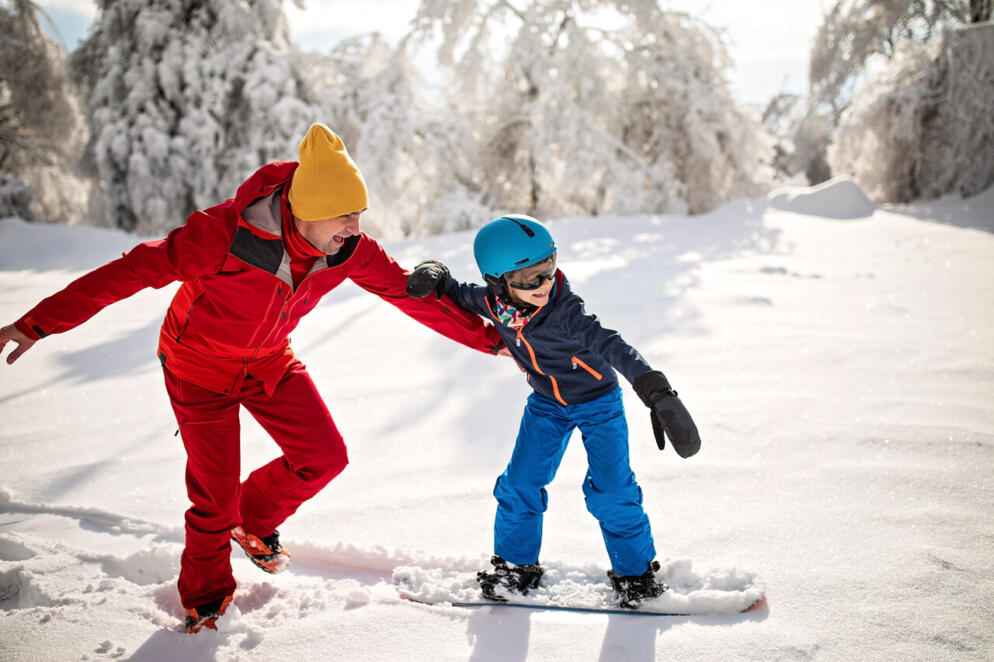
The Winter Games are a chance to cheer for our nation’s athletes and celebrate the power of sport as athletes from across the globe come together to compete on the world’s biggest stage. While inspirational and fun, watching the Games with the kids in your life also offers an opportunity to start the conversation about what safer sport environments look like, from your neighborhood ice rink to the mountain slopes in Italy.
Athletes at every level depend on a culture of care and accountability in sport in order to thrive. As spectators and fans of all ages, we have a responsibility to help foster sport settings that are rooted in respect and kindness. As you watch the Winter Games with young athletes, I encourage you to open a dialogue about how all of us can play a part in putting athlete well-being at the center of our nation’s sport culture.
Understand the Risks and Why Prevention Matters
Starting the conversation about abuse and misconduct in sport depends on knowledge and understanding. How prevalent is abuse in sport? The first step is to be aware of what’s going on.
The U.S. Center for SafeSport’s 2024 Athlete Culture & Climate Survey revealed that nearly one-third of athlete participants think sexual, emotional, or physical misconduct is a problem in their sport. Athletes of all levels and ages may be at risk of abuse in sport, but elite athletes competing at the Games experience an even greater risk.
Sports, and especially the Winter Games, are a time of excitement. So, talking about the risk of abuse during this time of celebration might seem surprising. But when we acknowledge the problematic nature of sport, we’re able to make impactful changes that ripple throughout the whole sport ecosystem.
Talk to Kids About Safe Play
Every athlete competing in at the Milano Cortina Games started by playing and competing at the local level. By talking about safe play with kids from an early age, parents can help set the groundwork for sport environments that are positive and safe, ultimately helping safeguard the elite athletes of tomorrow.
The following tips can help parents and guardians learn how to start the conversation with kids about respectful, safe sport environments.
- Do talk about the time, dedication, and persistence it takes to prepare for and compete in the Games. Listen to how your child talks about their own training—is their coach pushing them past where they feel comfortable or pressuring them to ignore pain? Ask: “What do you enjoy about your training? What does your coach do when you need help or are finding it hard to learn something new?”
- Do talk about what athletes may experience beyond winning at the Games—traveling to new places, representing their countries, testing their skills against the best in the world. Say, “You may not win every game, but you can still have a valuable experience. What do you like about your sport other than winning?”
- Do speak up if inappropriate comments are made about athletes, especially remarks that are discriminatory, sexualized, or otherwise offensive. Make it clear that all bodies are different and no one shape is better than another. Ask: “Has anyone ever spoken about your body in a way that makes you uncomfortable?”
- Do talk about the diversity of different skills and talents that exist across events. Focus on what athletes’ bodies let them do (e.g., run fast, show great endurance, have excellent coordination) instead of what they look like. For example, “Wow. All of those muscles really help ice skaters jump high!”
- Do pay attention to any potential instances of emotional or physical misconduct (which could include throwing things in anger, yelling at and/or pressuring an athlete to continue despite injury). Use the opportunity to discuss better choices and emphasize the importance of supportive and safe athletic environments. For example, “That coach is being very supportive to the athlete who lost. How does your coach behave when you lose or make a mistake?”
- Do celebrate moments of good sportsmanship and teamwork. Use instances where athletes are being supportive of one another to reinforce that sports are about so much more than winning. For example, “Did you notice how that athlete encouraged their teammate even when they missed the goal? How do you and your teammates support each other?”
- Do listen when a child talks about their experiences in sports, positive and negative. Remember that children may not label an experience as misconduct or abuse. Instead, they may talk about how their coach yelling is scary, or their teammates exclude them from social events. Ask: “What do you like about your coach and/or team? Is there anything you would change?”
Be a Part of Changing the Culture of Sport
As we watch and enjoy the Winter Games, let’s also reflect on the role we all play in helping protect athletes. Opening the dialogue about abuse in sport with kids may feel intimidating. But these conversations help create a sense of safety and confidence for kids. By shining light on the less beneficial side of sports, we open the door to change. While they might seem small, these conversations are the catalyst to shifting the culture of sport toward one of respect, kindness, and support.
Learn more about how you can be an advocate for safer play at all levels of sport. Explore the U.S. Center for SafeSport’s resources for athletes competing at the Milano Cortina Games and download additional abuse prevention resources to help the athletes in your life thrive.