For neurodivergent children, such as those on the autism spectrum or with learning disabilities like dyslexia, school can be a struggle. The average school curriculum is not designed with them in mind, so they may feel overwhelmed, or challenged academically and socially. But there are ways to approach learning which allow these students to thrive.
We spoke with Dr. Emily W. King, a child psychologist and author of “The Neurodivergent Learner: A New Approach to Your Child’s Success in the Classroom and Beyond” to share some ways parents can support them.
This interview has been edited for length and clarity.
What are the most common obstacles that neurodivergent children face in classroom environments?
Sensory obstacles are the first thing that comes to mind that I encourage parents and teachers to work together to minimize for kids. Neurotypical people don’t often think about things like a school’s lighting, the smells and the crowdedness, and we assume that everyone is used to it. But when those sensory experiences are elevated, or a child is sensitive to those sensory experiences, it interferes with their ability to feel safe, be curious and, ultimately, to learn.
Neurodivergent kids may also have uneven skills. Their skills may be above or below the grade level they would be sorted into by age. There are too many neurodivergent kids to work with one-on-one, so they benefit more from being grouped by skill levels. Educators and parents have to be flexible to ensure that they are being challenged in the areas where they excel while receiving accommodations in the areas they need them.
How can parents work directly with teachers to improve their child’s school experience?
In “The Neurodivergent Learner,” I include email scripts for parents. One of the most common concerns parents have is feeling like they are bothering their child’s teacher by comprehensively explaining their condition, but trying to avoid that means they may not communicate vital information to them. For instance, they have to let teachers know about what’s going on at home, especially when there’s a difference between how a child is behaving at school and at home. Then, parents and teachers can make comparisons between those settings and figure out how they can help the child succeed.
How should success be measured for neurodivergent students?
Our [education] system measures success through achievements, like attendance. Some neurodivergent children may have less energy and stamina and may not consistently perform well. In my opinion as a healthcare provider to neurodivergent kids, many of them are successful even if they are unable to attend school every day. We want to make sure that they’re getting all of the curriculum, but also that they’re learning and that they feel safe and connected. Being able to move forward in their learning, regardless of their age or the speed of the curriculum, is success to me.
How does parenting factor into the way neurodivergent students approach education?
That depends on the parent, child and school. I have been in situations where a child is very capable but they’re in a high-achieving school and are not able to do their best because they’re so stressed out. I’ve also been in situations where parents are anxious about their child’s ability to function behaviorally or emotionally so they don’t challenge their child, which prevents them from progressing educationally. There’s this balance that has to be struck between supporting your child and pushing them forward. Some parents worry about finding the perfect balance, but there is no perfect, so I would say they should focus on finding the ideal balance for their child. I would also recommend that parents take things one school year at a time, because every child matures differently and it’s hard to predict what they’re capable of. Try not to worry about what they’ll be like in 10 years.
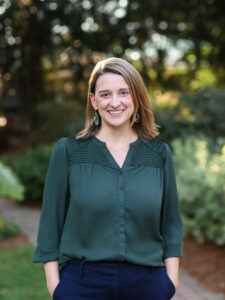
Emily W. King, Ph.D., is a child psychologist, speaker and parent educator with a Ph.D. in school psychology from the University of North Carolina at Chapel Hill. She specializes in providing therapy and consultation services for children living with autism, anxiety, ADHD and learning difficulties. She is the founder of Learn with Dr. Emily®, and in 2022 she created The Neurodiverse Classroom®, a professional development curriculum for K-12 educators.