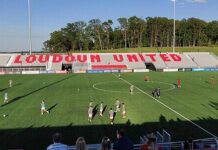
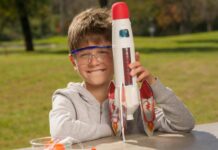
The Washington Family Summer Camps & Activities Fair brought many families to Tysons Corner Center Saturday, Feb. 21 to explore camp options in the DMV.
We spoke with each camp to find out what families need to know about this summer’s camp offerings, including new programs, milestone anniversaries and unique elements that keep kids coming back!
Learn about each camp in attendance below, and for even more camp options, explore our camp directory at washingtonfamily.com/campdirectory.
Creative and Artistic
CASA at Sheridan School
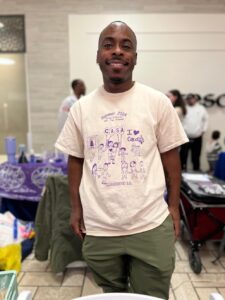
This creative arts day camp based at Sheridan School for ages 3 to 13 has been operating for more than 20 years. The preschool program follows the school’s Reggio Emilia model of play-based learning, offering water days, STEAM (science, technology, engineering, art and math) learning and a garden on campus. And first through eighth graders can choose four classes for a two-week session (or a one-week guest week) to build their perfect day, working in creative art- and game-based classes (like Minecraft) with sports and more options. At the end of the session, families are invited to see what kids created.
“It really is about them creating everything from top to bottom,” says camp director Key Lucas, noting that even the camp T-shirt he is wearing was designed from camper drawings.
Notable is a creative apprentice program for middle schoolers that splits a regular camp experience with additional leadership roles that prepare them for a program in which they can work at the camp in high school, as well as a brand-new sleepaway camp at Sheridan’s Mountain Campus that combines the creative program with outdoor challenges and more.
Creator Camp
A Texas-based camp that opened its first DMV location last summer, Creator Camp now has five locations in the area. The camp stands out for appearing on Shark Tank. Its pitch centered around the idea that kids are already on tech like iPads frequently, but how can you use that technology in a productive and creative way? Instead of passively consuming content, kids can engage with it more actively. Through the YouTube Creators camp, for example, they can simulate what it’s like to create their own channel, including how to engage safely online. This year, there will be an interactive element where other campers can interact with a camper’s channel.
Creator Camp’s overall program includes a three-day foray into media arts like filmmaking and animation, (even with an entrepreneurship element), followed by a two-day exploration of tech-related topics like Roblox and game design. Camp is for ages 5 to 13, with a junior camp adapted for age for ages 5 to 7.
Tiny Dancers
Dance is the name of the game at this camp. Celebrating its 25th anniversary this year, Tiny Dancers offers dance classes each season for children as young as age 2, with a school-year session of September through May for ages 3 and older. In the summer, the studio offers five weeklong day camps to choose from for ages 3 to 12 that run 2 ½ hours per day, including an “Eras” camp for Taylor Swift fans and a new K-pop camp in 2026. For a child who might be newer to dance or a lover of all styles, “Try it out” camps feature a different dance each day and a chance for kids to figure out what they like before committing to one type of dance.
Note: A ballet-themed Bunny Hop Camp is available for ages 3 to 5 during spring break from 10-12:30 p.m.
Train Your Brain
AoPS Academy
This academic summer camp helps kids exercise and grow their skills in math, writing and language arts through additional classes over the summer. Sundari Chander, a senior instructor who teaches nine classes, says the students like to challenge themselves, and no matter what they want to do when they grow up, camps such as these help them add tools to their toolbox. Families can choose multiple courses per day if they would like morning and afternoon sessions.
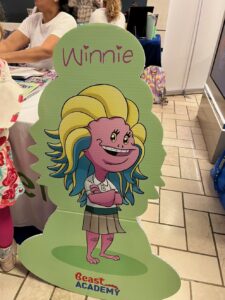
AoPS aims to make learning fun for younger students, with courses throughout the year for children in first through fifth grades that use friendly “beasts” throughout the learning texts to help explain concepts. Summer camp courses using “Beast Academy” are available starting in third grade.
Fairfax Collegiate
This academic camp for fourth through 12th grades, with more than 60 courses ranging from traditional school subjects like math to courses focused on skills like public speaking and robotics, has been around since the late 1990s. There are six locations in Northern Virginia and kids can take classes online or in person in two-week sessions with morning and afternoon classes.
“It’s just fun working with all the kids,” says one of the camp’s instructors, Nathan Lin. “A lot of them are just interested in so many different things.” And as they’re learning, he adds, it’s fun to encourage them and teach them about things you’re passionate about.

Mad Science of Washington
Always a crowd pleaser at camp fairs, Mad Science of Washington had an instructor on site demonstrating science experiments using dry ice and dish soap that created warm bubbly foam you could hold in your hands. Jason Hill, one of the scientists with Mad Science delighted young visitors with science facts as well, using a flashlight to explain why the sun’s light is actually white — and not yellow. With locations across the DMV, Mad Science summer camps offer weeklong sessions for first through fifth graders that each center around a different topic, including aerodynamics, NASA, inventions, chemistry, robotics, anthropology and more.
Traditional Camp Experience
Brooksfield Summer Camp
Now at a new location, Brooksfield School — Montessori school for ages 2 to 6 — has been operating for about 37 years. Its summer day camp features traditional activities like swimming, arts and crafts and field trips and is available with extended time in the morning and afternoon from 7:15 a.m. until 5:30 p.m. Classrooms are decorated according to movie themes each year, and Fridays feature special visitors like magicians or scientists while older students go on field trips. A lot of past camp alumni return as counselors, which they can do at age 14 and older. Camp staff note that Brooksfield tends to have a mix of high school and college-aged counselors, as well as counselors who are on school staff. One notable benefit of this opportunity is that camp staff require would-be counselors to interview, provide references and communicate via their own email–which promotes independence and early work experience.

Camp Greenway
Based at the all-girls boarding school, The Madiera School, Camp Greenway started hosting some programs there 50 years ago.
This summer, offerings include a Girls First residential and day camp for middle school girls (rising fifth to ninth graders). If they might be considering attending Madiera for high school, it’s a good introduction to the school’s model. Madeira’s co-ed day camp for rising kindergarteners through ninth graders offers a more traditional day camp experience with a little bit of everything.
Camp Horizons
This overnight camp in Harrisonburg, Virginia, is all about personal choice. Activities to choose from range from traditional outdoor programming to more adventure-based activities to horseback riding, photography, movie making and more. While younger campers get some choice in which activities they will have each day, they will go together to each activity as a group, while older campers can choose on an individual basis. In addition, Camp Horizons has some specialty programs including a high-adventure camp for ages 13 to 17, an equestrian program and a farm and garden program. There is also a leadership program for rising seniors who are returning campers that blends four weeks of leadership classes with seniors working with younger campers. This program helps those interested in becoming counselors to bypass the requirement that they must be one year removed from high school.
YMCA Summer Camps
This year celebrating a milestone 175th anniversary, the YMCA offers camps for ages 5 to 15 in art, sports, STEM (science, technology, engineering and math), aquatics and more. The DMV locations of the Y were represented at the fair, including Loudoun, Reston, Arlington and Alexandria. One of the oldest camp programs through the Y is the YMCA Woodmont Gymnastics Academy, since 1984. Operating out of Arlington, it serves all ages and levels and helps kids stay active, especially when the heat limits outdoor play. The camp draws campers from across D.C., Maryland and Virginia. Notably, another Y camp that has been in operation for more than 100 years is YMCA Camp Letts, based in Edgewater, Maryland — including day and overnight camps which draw campers from all over the world.
Outdoors & Adventure
Baltimore Yearly Meeting Camps (BYM Camps)
These camps centered in the Quaker tradition are focused on building positive relationships with each other and nature. The tech-free camps include three traditional residential camps (including one with an arts focus) and one teen adventure camp with activities such as hiking, canoeing and rock climbing. Spending time in nature to learn about yourself and be communal and work as a collective ties in with the tenets of Quakerism. Camp staff note that Quakers encourage living in ways that keep life simple and uplift each individual so that their inner light has an opportunity to shine.
Calleva
Another camp championing outdoor experiences is Calleva. Assistant Director Alexa Simon says that they way kids interact together outside sets a positive tone — in a different way than a classroom does, helping to develop good social skills. There are 12 weeks of camp available for ages 4 to 15, and the littlest campers focus on activities such as creek exploration, hiking, canoeing, rock climbing and archery, as well as arts and crafts.
Camp Wachusett
One of the longest running camps in the region, this all-boys overnight camp for ages 8 to 15 is based on Lake Hortonia in Vermont. In addition to hiking and canoeing trips, campers also gain experience backpacking and camping overnight in the mountains and lakes surrounding camp. Excursions are age-based, and campers can build on skills they learned each summer — choosing higher levels based on their experience as well.
Camp Wachusett’s motto is “unaliyi,” which means a place of friends, so the underlying focus of the camp is building social skills. Camp offers the advantage of boys being able to socialize in nature without distraction, as well as learn how to be responsible living together, working together in the cabins, competing together and getting along with each other.
The camp also has junior counselor and counselor programs, making it easy for campers to experience the longevity of the camp experience like owner Philip Williams, who attended camp from age 10.
Get Your Head in the Game

Junior Tennis Champions Center (JTCC)
Based in College Park for 25 years, JTCC is a nonprofit that encourages tennis for all ability levels, with its Potomac, Maryland, summer camp welcoming everyone from new learners to pre-professional players.
Its newest seasonal program location, Chantilly, Virginia, operates from March to October at the courts at Westfield Marriott, and the goal is to grow that location in the coming years, with a range of opportunities specialized for players of different levels. Notably, JTCC also has free programs for veterans and players with physical or intellectual disabilities. There are different accommodations within the adaptive program, with some players in wheelchairs and others who do a parastanding adapted program that accommodates for upper body limitations.
Additional Camps
Two camps scheduled to appear at our camp fair that were unable to attend were The St. James, which specializes in sports camps, featuring 17 different sports including non-traditional sports like dance, squash and ice skating. But the Springfield, Virginia, sports complex also includes educational camps for coding and STEAM. Some specialty camps are hosted at the St. James from partner programs like Jr. Wizards and Chelsea FC.
Easterseals Camp Fairlee is an overnight camp in Chestertown, Maryland, for all abilities that is provides an accessible space for families of children with disabilities with qualified staff that give caregivers a respite and allow kids to focus on having fun with traditional camp activities. Depending on needs, there are 1:1, 2:1 or 3:1 camper to counselor options. This summer, there are a variety of themes, including Olympic Games (for 3:1 and 2:1 ratio campers), and there are many activities to choose from for all camps, such as horseback riding, zip lining, photography, pottery, board games, sports and music. Easterseals is the largest provider of recreation and camping services for children and adults with disabilities in the United States. Additional local services can be found by location at easterseals.com.