Oct. 15 is White Cane Day, and October is Blind Equality Achievement Month! ZaNyiah, a member of DC Public Library’s Braille Club for blind and low-vision youth, describes White Cane Day as a day where people in the blind community are recognized for their hard work and achievements. Additionally, this day is about spreading awareness to others about how important canes are because they symbolize independence. Check out these books starring blind and low-vision characters!
Picture Books
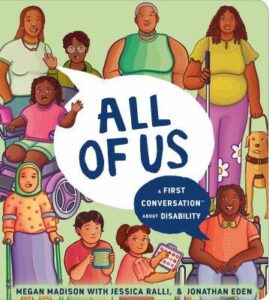 “All of Us: A First Conversation about Disability”
by Megan Madison
Often, kids have questions (or observations!) about big topics before the grown-ups in their life are ready to answer them. This board book addresses a broad spectrum of disabilities, including blindness, in an age-appropriate way, and provides tips for starting or continuing conversations about the topic.
“My Three Best Friends and Me, Zulay”
by Cari Best, illustrated by Vanessa Brantley-Newton
Zulay, a spunky and active blind first grader, is motivated to learn to use her white cane so she can join a race at her school’s field day. This upbeat and brightly illustrated story acknowledges, but does not overemphasize, Zulay’s differences from her peers, and shares a message of interdependence.
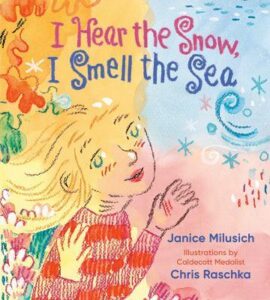 “I Hear the Snow, I Smell the Sea”
by Janice Milusich, illustrated by Chris Raschka
Neveah, a young blind girl, enjoys the changing seasons — feeling cold snowflakes on her tongue in winter, hearing the buzz of a bee in spring and more — as she uses her senses of touch, taste, hearing and smell to observe and participate in the world around her.
“The Cane Kids”
by Kristen Lang, illustrated by Joe Huffman
As two legally blind kids navigate their daily life in a big city, Everett and Willow never say, “I can’t.” They say, “I can a different way!” Readers will learn about white cane technique — why some people tap their canes versus why some people sweep them back and forth, for example — as well as other tools that blind kids use to be independent.
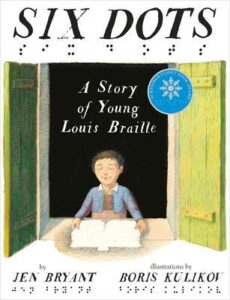 “Six Dots”
by Jen Bryant, illustrated by Boris Kulikov
Kids who think outside the box will be intrigued by the dramatic true story of Louis Braille, a blind teen who, in 1829, invented a system of reading and writing for the blind that is still used today — while living in a converted prison, no less! After reading this engaging picture book biography, look for braille signs around your school, library and other public spaces.
Easy Reader
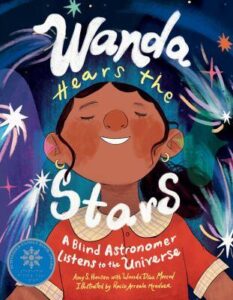 “Wanda Hears the Stars”
by Amy Hansen with Wanda Díaz Merced, illustrated by Rocio Arreola Mendoza
Wanda dreamed of becoming an astronomer, but losing her vision to diabetes in her early twenties made her believe that dream was impossible. Discovering sonification allowed her to listen to the universe and study space through sound, ultimately enabling her to achieve her goal. Wanda’s story shows that through hard work and courage, you can truly accomplish anything you put your mind to regardless of any challenge you may have.
Middle Grade
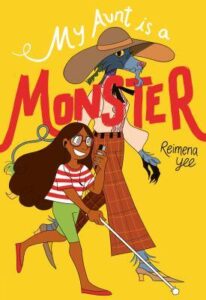 “My Aunt Is a Monster”
by Reimena Yee
In this whimsical fantasy graphic novel, Safia, a blind tween, is sent to live with her mysterious aunt after her parents’ death. Safia’s aunt, a retired explorer, has been a recluse ever since being transformed into a monster by a strange curse — but when her aunt’s archnemesis resurfaces, Safia helps her aunt embark on a globe-trotting adventure to reclaim her glory!
Teen
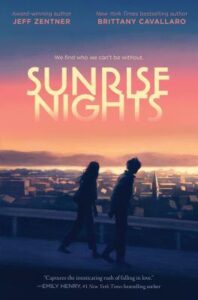 “Sunrise Nights”
by Jeff Zentner and Brittany Cavallaro
Two teens — Jude, a talented photographer with anxiety, and Florence, a dancer with an eye condition that is incredibly affecting her depth perception — fall in love over the course of three summers at art camp. Written in a mix of verse and prose, this slow burn would appeal to fans of “The Summer I Turned Pretty” and other thoughtful YA romances.
“The Disability Experience: Working Toward Belonging”
by Hannalora Leavitt, illustrated by Belle Wuthrich
Written by a blind author, The Disability Experience offers an accessible introduction to the aspirations, challenges and successes of people with disabilities. Personal anecdotes and historical stories are mixed with candid discussions of tough topics like low employment rates and discrimination, and a helpful glossary and list of further resources is included.